Find an
Attorney
What Does it Mean to Obstruct Justice?
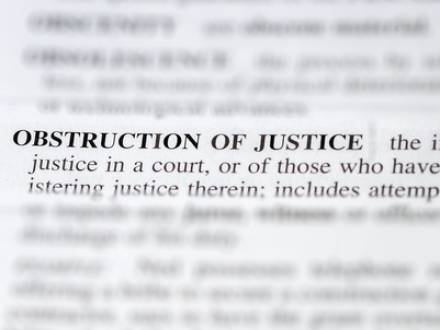 Obstruct means to get in the way or block something. "Obstruction of justice" is a broad term for anything that interferes with a police investigation, court case, or another part of the legal process. It can include hiding evidence, pressuring a witness, lying to investigators, or helping someone avoid arrest.
Someone doesn't have to succeed in stopping an investigation to face charges of obstructing justice. In many situations, just trying to interfere with justice may be enough.
If you are accused of obstruction of justice in 2026, you should hire a local criminal defense attorney in the Elite Lawyer directory before answering questions or trying to explain what happened. Elite Lawyer attorneys are experienced, carefully vetted, and ready to aggressively defend your rights.
What Is Considered Obstruction of Justice?
There is no single act that always counts as obstruction of justice. Federal law and state laws cover many different behaviors. Common examples may include:
-
Destroying or hiding evidence
-
Deleting messages after learning about an investigation
-
Giving police false information
-
Pressuring someone to change testimony
-
Threatening or intimidating a witness
-
Helping a suspect avoid arrest
-
Creating false records
-
Ignoring or interfering with a court order
-
Trying to influence someone on a jury
-
Telling another person to lie to police
Whether an action is illegal often depends on the person’s intent. For example, accidentally losing a document is different from destroying it because you know investigators want it. But simply not talking to police is not automatically obstruction. Americans have the right not to answer questions that could be used against them.
Is Lying to the Police the Same as Obstructing Justice?
Not every false statement to police leads to an obstruction charge. The government needs to prove that someone gave false information on purpose. A mistake, bad memory, or confused answer doesn't necessarily show criminal intent.
However, lying to police can make a difficult situation much worse. Someone who was not initially suspected of a crime may become the target of an investigation after giving false information.
This is why it is usually better to exercise the right to remain silent than to guess, make up an answer, or give a misleading explanation. A criminal defense lawyer can talk to investigators and be in the room with you during questioning to help prevent statements from being taken out of context.
What Do Prosecutors Have to Prove in an Obstruction Case?
Exactly what prosecutors have to do in an obstruction of justice case depends on the details of the case itself. In general, however, prosecutors need to prove that the defendant:
-
Knew about an investigation, proceeding, or official action
-
Took an action that could interfere with it
-
Acted knowingly or corruptly
-
Wanted to influence, delay, or prevent the legal process
Not being able to prove the intent to obstruct makes it more difficult for prosecutors to get a conviction. A defense attorney can often make the case that the conduct was innocent, misunderstood, unrelated to the case, or not meant to interfere with justice.
What Are the Penalties for Obstructing Justice?
Penalties depend on the location, the exact charge, and the seriousness of the alleged obstruction. Some offenses are misdemeanors. Others are felonies that allow for prison time, fines, probation, and a permanent criminal record.
For example, charges involving threats, physical force, witness intimidation, or the destruction of major evidence have serious penalties. Under federal law, some forms of witness tampering may be punished by long prison sentences.
Federal witness-tampering law is just one example of one of the ways that obstruction of justice could lead to serious federal charges. Under 18 U.S.C. Section 1512, someone could face charges for trying to affect a witness’s testimony or evidence. The law says that prosecutors don’t even have to be filing charges against someone else for committing a crime for obstruction of justice charges to be brought.
Contact Elite Lawyer Today to Find a State or Federal Criminal Defense Attorney
If you need outstanding legal representation, visit the Elite Lawyer attorney directory to find a vetted local criminal defense lawyer with a record of excellent service and favorable case results.
Are you an attorney who deserves recognition for your work? Contact Elite Lawyer online or at 833-403-5483 to apply for inclusion in our prestigious attorney award directory.
FEATURED LAW FIRMS




Find an Attorney