Find an
Attorney
Uninsured Drivers Are Still a Problem in 2026
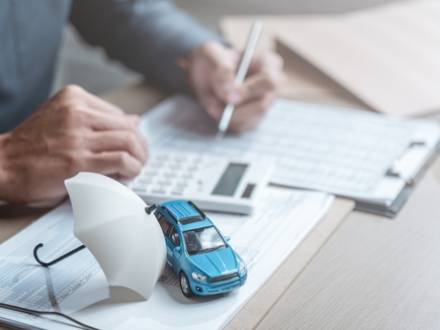 Getting into a car accident is stressful enough on its own. Discovering that the driver who hit you has no insurance can make a bad situation even worse. On top of dealing with expensive medical bills and a damaged or totaled vehicle, the person responsible for all of it may have no policy to pay for your losses.
This is not a rare scenario. Millions of drivers across the United States are on the road right now without any insurance coverage, and that number has remained stubbornly high for years. If you have been hurt by an uninsured driver, an attorney can help you understand your options, deal with your own insurance company, and pursue every available source of compensation for your losses.
How Many People Are Driving Without Insurance in the United States?
According to Insurance Rate Guard, roughly 14 percent of drivers nationwide are uninsured. In some states, the problem is far worse. Mississippi leads the country at 29 percent, meaning nearly one in three drivers there has no coverage. Michigan sits at 26 percent, and Tennessee is not far behind at 23 percent.
This is worth putting in perspective. Car insurance is legally required in almost every state. New Hampshire is the only state that does not mandate it, though even there, drivers must be able to prove they can cover the costs of car accidents out of pocket. Everyone else is required by law to carry at least a minimum level of liability coverage. Despite that, tens of millions of people are driving without it. When one of those drivers causes a wreck, the injured person is often left scrambling for answers.
How to Respond to a Hit and Run Accident
If a driver hits your vehicle and flees the scene, the steps you take in the moments after the crash can affect your ability to recover compensation later. Call 911 immediately and stay at the scene. Try to note the make, model, color, and license plate of the other vehicle if you can do so safely. Look around for witnesses who may have seen the crash and ask if anyone has dashcam or security footage from nearby businesses or homes.
Get medical attention even if you feel fine. Adrenaline can mask pain, and injuries like concussions, soft tissue damage, and internal trauma may not be obvious right away. A medical record created close in time to the crash will be important evidence if you later pursue a claim. Report the wreck to your insurance company, but avoid giving a recorded statement before you have spoken with an attorney.
Will My Own Insurance Policy Cover a Crash Caused by an Uninsured Driver?
Depending on what coverage you carry, your insurance provider may be able to help cover your damages. Uninsured motorist coverage, sometimes called UM coverage, is designed specifically for situations where the at-fault driver has no insurance or cannot be identified, as in a hit and run. This coverage can pay for medical expenses, lost wages, and other damages that you would otherwise be left to cover on your own.
The catch is that uninsured motorist coverage is not automatically included in every policy. In some states it is required, but in others it is optional, and many drivers do not realize they do not have it until they need it. If you are unsure about whether your policy includes UM coverage, your declarations page will list it.
Even when coverage exists, dealing with your own insurance company after a crash can be frustrating. Insurers may dispute the extent of your injuries, challenge whether the crash happened the way you described it, or offer settlements that fall well short of what the damages are actually worth. An attorney can push back against those tactics and help make sure your claim is handled fairly.
What Kind of Compensation Can You Get in an Uninsured Motorist Claim?
The types of compensation available through an uninsured motorist claim are similar to what you could pursue in a standard personal injury case. Medical expenses are often the largest component, covering emergency care, hospitalization, surgery, physical therapy, medications, and future treatment if the injuries are long-term. Lost wages can be included when injuries keep you out of work, and reduced earning capacity may be part of the claim if the injury affects your ability to work going forward.
Property damage, including vehicle repair or replacement costs, towing, and rental car expenses, can also be covered. Pain and suffering, mental anguish, physical impairment, and loss of enjoyment of life are additional categories that may apply depending on the severity of the injuries. Each of these areas requires documentation, and a careful accounting of both current and future losses matters when negotiating with an insurer.
When Uninsured Motorist Coverage Isn’t Enough
In some cases, the policy limits on uninsured motorist coverage are not high enough to cover the full extent of the damages. When that happens, it is worth looking at whether other sources of compensation exist.
If the crash happened in a location with a dangerous condition, a government entity responsible for road maintenance might share liability. If a defective vehicle part contributed to the severity of the wreck, the manufacturer could potentially be held accountable. If the uninsured driver was working at the time of the crash, their employer might bear responsibility under certain circumstances. In some cases, other drivers or parties who contributed to the collision can be held liable as well.
FEATURED ATTORNEYS
Recognizing excellence |
Want to be featured on our homepage? Contact us to learn more. |
No Featured Attorneys Found in Ohio
FEATURED LAW FIRMS





Find an Attorney